
"will export 100 tons of coffee beans"
100 article(s) found

Myanmar will export 100 tons of coffee beans to China this year
Professional baristas please follow the coffee workshop (Wechat official account cafe_style) according to a report in the Voice Daily The Voice Daily on May 27, Myanmar exports coffee seeds to China every year, and this year will export more than 20 tons more than in previous years, according to information obtained by the Ministry of economy and Trade. Since the beginning of May, Mujie's 105-mile economic zone has been continuously delivering this coffee to China.

Hougu Coffee spends 70 million yuan to buy 100 mu of land and attaches importance to the European market.
In addition, because the Kunming Coffee Trading Center has been difficult to get government approval, Gu Coffee changed its position after June this year, and took the lead in establishing a coffee trading center in Chongqing and officially opened for business. High-profile announced to build China's largest coffee electronic trading platform, coffee (cross-border) e-commerce platform, coffee industry chain financing platform, as well as China Coffee Exchange settlement Center and Coffee big data
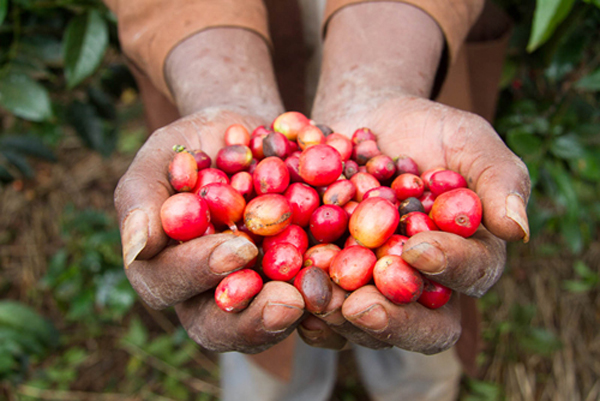
Myanmar's coffee exports will expand to earn more foreign exchange and increase farmers' income
According to Myanmar Business Today on December 1, Minlai, secretary of the Myanmar Coffee Association, said that more than 100 tons of high-quality coffee beans from Mandalay and Shan State will be exported to Japan and other Asian countries. The base price of these coffee beans is $3.50 per kilogram, and only high-quality fresh coffee beans will be exported. The current price of coffee beans in the Burmese market is 3000 to 3300 kyat per kilogram (

The area output of coffee in Yunnan accounts for 99% of the country.
Xinhua Yunnan Channel, April 12 (Reporter Ji Zhe Peng) the reporter learned from the Yunnan Provincial Department of Agriculture that after more than 100 years of development, Yunnan has become the largest coffee producing area in the country. In 2014, the planting area of coffee in Yunnan reached 1.87 million mu and the output was 118000 tons, accounting for more than 99% of the country's total. According to the analysis of the global coffee production and marketing situation, the coffee planting area in Yunnan is expected to reach 2.5 million by 2020.

Angora coffee beans
Angola's Angola, which has been growing coffee for more than 100 years, ranked first in Africa until 1960 and reached 225000 tons in 1979, ranking second in Africa and fourth in the world. The output in 1992 was 5000 tons. Sisal production is second only to coffee, and the level of per unit yield is higher. In 1986, the output reached 20,000 tons, sisal ranked second in Africa both in terms of output and export volume. Luo'an, Xinhuanet
African coffee Angora coffee beans
Angolan coffee Angola Angola has been growing coffee for more than 100 years, and its output has been the first in Africa until 1960, reaching 225000 tons in 1979, ranking second in Africa and fourth in the world. The output in 1992 was 5000 tons. Sisal production is second only to coffee, and the level of per unit yield is higher. In 1986, the output reached 20,000 tons, sisal ranked second in Africa both in terms of output and export volume.
Price of Angolan coffee beans
Angolan coffee Angola Angola has been growing coffee for more than 100 years, and its output has been the first in Africa until 1960, reaching 225000 tons in 1979, ranking second in Africa and fourth in the world. The output in 1992 was 5000 tons. Sisal production is second only to coffee, and the level of per unit yield is higher. In 1986, the output reached 20,000 tons, sisal ranked second in Africa both in terms of output and export volume.
African specialty coffee Angola boutique coffee beans
Angolan coffee Angola Angola has been growing coffee for more than 100 years, and its output has been the first in Africa until 1960, reaching 225000 tons in 1979, ranking second in Africa and fourth in the world. The output in 1992 was 5000 tons. Sisal production is second only to coffee, and the level of per unit yield is higher. In 1986, the output reached 20,000 tons, sisal ranked second in Africa both in terms of output and export volume.

The production of Angolan coffee beans ranked first in Africa until 1960.
Angola's Angola, which has been growing coffee for more than 100 years, ranked first in Africa until 1960 and reached 225000 tons in 1979, ranking second in Africa and fourth in the world. The output in 1992 was 5000 tons. Sisal production is second only to coffee, and the level of per unit yield is higher. In 1986, the output reached 20,000 tons, sisal ranked second in Africa both in terms of output and export volume. Luo'an, Xinhuanet
Yunnan coffee planting area and output account for 99% of China's coffee industry needs to be improved
Xinhua Yunnan Channel April 12 (Reporter Ji Zhepeng) The reporter learned from the Agriculture Department of Yunnan Province that after more than 100 years of development, Yunnan has become the largest coffee producing area in China. In 2014, Yunnan coffee planting area reached 1.87 million mu and output reached 118,000 tons, accounting for more than 99% of the country. According to the analysis of global coffee production and marketing situation, Yunnan coffee planting area is expected to reach 2.5 million by 2020.

Development of coffee cultivation in Laos
Coffee in Laos has gone through a lot of evolution over the past 20 years. The pace of development in the past 20 years has exceeded that of the past 80 years. Coffee in Laos dates back 100 years. France was colonial ruler of Vietnam, Cambodia and Laos, and they began experimenting with various crops in these areas. Coffee soon became available to farmers in Vietnam and Laos

The Development of Coffee cultivation
Coffee in Laos has gone through a lot of development in the past 20 years. The speed of development in the past 20 years is faster than that in the past 80 years. The coffee history of Laos can be traced back to 100 years ago. At that time, France was the colonial ruler of Vietnam, Cambodia and Laos, and they began to experiment with growing various crops in these areas. Coffee was quickly found in farmers in Vietnam and Laos.
The Magic of Laos Coffee Coffee History
Coffee in Laos has gone through a lot of development in the past 20 years. The speed of development in the past 20 years is faster than that in the past 80 years. The coffee history of Laos can be traced back to 100 years ago. At that time, France was the colonial ruler of Vietnam, Cambodia and Laos, and they began to experiment with growing various crops in these areas. Coffee was quickly found in farmers in Vietnam and Laos.

The difference between Lao Coffee and Vietnamese Coffee
Coffee in Laos has gone through a lot of development in the past 20 years. The speed of development in the past 20 years is faster than that in the past 80 years. The coffee history of Laos can be traced back to 100 years ago. At that time, France was the colonial ruler of Vietnam, Cambodia and Laos, and they began to experiment with growing various crops in these areas. Coffee was quickly found in farmers in Vietnam and Laos.

Coffee basic knowledge the uniqueness of Lao Coffee
Coffee in Laos has gone through a lot of development in the past 20 years. The speed of development in the past 20 years is faster than that in the past 80 years. The coffee history of Laos can be traced back to 100 years ago. At that time, France was the colonial ruler of Vietnam, Cambodia and Laos, and they began to experiment with growing various crops in these areas. Coffee was quickly found in farmers in Vietnam and Laos.

Coffee History of Laos Coffee Development History of Vietnam
Coffee in Laos has gone through a lot of development in the past 20 years. The speed of development in the past 20 years is faster than that in the past 80 years. The coffee history of Laos can be traced back to 100 years ago. At that time, France was the colonial ruler of Vietnam, Cambodia and Laos, and they began to experiment with growing various crops in these areas. Coffee was quickly found in farmers in Vietnam and Laos.

Introduction to the cultivation of Angolan coffee beans _ price of Angolan coffee _ is Angolan coffee good?
Professional coffee knowledge exchange more coffee bean information please follow the coffee workshop (Wechat official account cafe_style) Angola has grown coffee for more than 100 years, is the fourth largest coffee industry in the world, and its output ranked first in Africa until 1960. In the mid-1970s, 98% of Angola's annual coffee exports are Robbins, making it the best quality coffee in Africa.
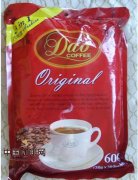
Basic knowledge of coffee Laos coffee is also unique.
Coffee in Laos has gone through a lot of development in the past 20 years. The speed of development in the past 20 years is faster than that in the past 80 years. The coffee history of Laos can be traced back to 100 years ago. At that time, France was the colonial ruler of Vietnam, Cambodia and Laos, and they began to experiment with growing various crops in these areas. Coffee was quickly found in farmers in Vietnam and Laos.
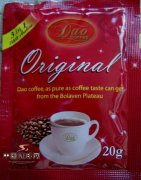
The Development of Coffee in Laos Coffee History of Laos
Coffee in Laos has gone through a lot of development in the past 20 years. The speed of development in the past 20 years is faster than that in the past 80 years. The coffee history of Laos can be traced back to 100 years ago. At that time, France was the colonial ruler of Vietnam, Cambodia and Laos, and they began to experiment with growing various crops in these areas. Coffee was quickly found in farmers in Vietnam and Laos.
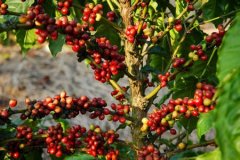
The Development of Coffee cultivation in Laos Coffee History in Laos
Coffee in Laos has gone through a lot of development in the past 20 years. The speed of development in the past 20 years is faster than that in the past 80 years. The coffee history of Laos can be traced back to 100 years ago. At that time, France was the colonial ruler of Vietnam, Cambodia and Laos, and they began to experiment with growing various crops in these areas. Coffee was quickly found in farmers in Vietnam and Laos.